Our Blog

Tooth Discoloration: Common causes and what you can do to stop it

November 8th, 2017

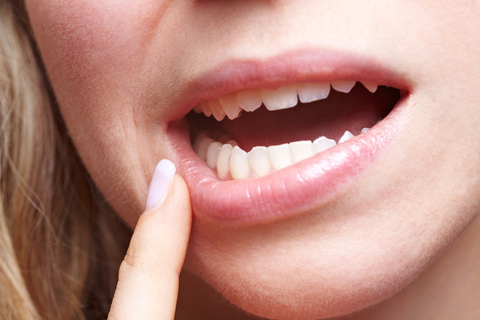
Looking back at childhood photos, you may notice picture after picture of yourself with a mouthful of shiny white teeth. When you look in the mirror today, you wonder what happened to that beautiful smile. Many adults struggle with tooth discoloration and find it embarrassing to show off their teeth in a smile. Once you identify the cause of your tooth discoloration, there are treatment options at Oak Grove Dentistry that can restore your teeth and your confidence.

What Causes Tooth Discoloration?

There are a host of factors that may cause your teeth to discolor. Some are directly under your control, and others may not be preventable. Here is a list of common reasons that teeth become discolored.

  • Genetics: Much of your dental health is determined by genetic factors beyond your control. Some people naturally have thinner enamel or discolored teeth.
  • Medications: Several medications lead to tooth discoloration as a side effect. If you received the common antibiotics doxycycline or tetracycline as a child, your teeth may have discolored as a consequence. Antihistamines, high blood pressure medications, and antipsychotic drugs can also discolor teeth. If you think a medication may be leading to tooth discoloration, talk to Drs. Alissa Edwards and Dale Scharine. Never discontinue the use of a medication without consulting your doctor, however.
  • Medical Conditions: Genetic conditions such as amelogenesis or dentinogenesis cause improper development of the enamel, and can lead to yellowed, discolored teeth.
  • Poor Dental Hygiene: Failing to brush your teeth at least twice a day or regularly floss may lead to tooth decay and discoloration.
  • Foods and Tobacco: Consumption of certain foods, including coffee, tea, wine, soda, apples, or potatoes, can cause tooth discoloration. Tobacco use also causes teeth to turn yellow or brown.

Treatments for Tooth Discoloration

There are a variety of treatments available to individuals with discolored teeth. One of the easiest ways to reduce tooth discoloration is through prevention. Avoid drinking red wine, soda, or coffee and stop using tobacco products. If you drink beverages that tend to leave stains, brush your teeth immediately or swish with water to reduce staining.

After determining the cause of tooth discoloration, Drs. Alissa Edwards and Dale Scharine can suggest other treatment options. Over-the-counter whitening agents might help, but in-office whitening treatments provided at our Green Bay office would be more effective. When whitening agents do not help, bondings or veneers are among the alternative solutions for tooth discoloration.

If you are worried about your teeth becoming yellow or brown, think carefully about your diet and medication use. Talk to Drs. Alissa Edwards and Dale Scharine to identify substances that may be causing the problem. After treatment for tooth discoloration, you will have a beautiful white smile you can be proud to show off.


November Marks National Diabetes Awareness Month

November 1st, 2017

Diabetes is a chronic disease that increases the risk for many serious health problems, including severe gum disease. November is Diabetes Awareness Month, and it’s a great time for us at Oak Grove Dentistry to remind our patients that the way you care for your teeth at home doesn’t just affect your oral health; keeping your mouth healthy is vital to your overall health, too.

Diabetes is the result of a deficiency, or lack of the hormone insulin to properly transport glucose (blood sugar) to the cells throughout the body. According to the American Diabetes Association, the most common types of diabetes are Type One (90-95 percent of cases), Type Two (five percent), and gestational or pregnancy diabetes. Women who have had gestational diabetes have a 35 to 60 percent chance of developing diabetes, mostly Type Two, in the ten to 20 years following their pregnancy.

In the past decade, researchers have found links between periodontal (gum) disease and diabetes. Not only are people with diabetes more vulnerable to gum disease, but diabetes may also have the potential to affect blood glucose control, as well as contribute to the advancement of diabetes.

Nearly 26 million Americans currently live with the disease, with an additional 79 million in the pre-diabetes stage. There is some good news we want you to know, however; you can protect your gums and teeth from the effects of diabetes by visiting our Green Bay office for an exam. Patients who are living with diabetes may require more often visits to ensure their dental health remains in tip-top shape. Many insurance plans provide expanded benefits for diabetic patients, and Drs. Alissa Edwards and Dale Scharine can tell you how often you need to come in for an appointment.

For more information on how we can help, please do not hesitate to give us a call at our Green Bay office.

The Intriguing History of Halloween

October 25th, 2017

Halloween is fast approaching, and Drs. Alissa Edwards and Dale Scharine wanted to be sure to wish our patients a happy day, no matter how you might celebrate this holiday. The Halloween that is familiar to most people today bears little resemblance to the original Halloween; back in the "old days" it wasn't even called Halloween!

Festival of the Dead

Halloween started out as a Celtic festival of the dead that honored departed loved ones and signified a change in the cycle of the seasons. The Celtic people viewed Halloween, then called "Samhain," as a very special day – almost like our New Years day in fact, as their new calendar year began on November 1st. Samhain was the last day of autumn, so it was the time to harvest the last of the season's crops, store food away for winter, and situate livestock comfortably for the upcoming cold weather. The Celts believed that during this day, the last day of winter, the veil between this world and the spirit world is the thinnest, and that the living could communicate with departed loved ones most effectively on Samhain due to this.

Modern Halloween

Halloween as we know it today started because Christian missionaries were working to convert the Celtic people to Christianity. The Celts believed in religious concepts that were not supported by the Christian church, and these practices, which stemmed from Druidism, were perceived by the Christian church as being "devil worship" and dangerous.

When Pope Gregory the First instructed his missionaries to work at converting the Pagan people, he told them to try to incorporate some of the Pagan practices into Christian practices in a limited way. This meant that November 1st became "All Saints Day," which allowed Pagan people to still celebrate a beloved holiday without violating Christian beliefs.

Today, Halloween has evolved into a day devoted purely to fun, candy, and kids. What a change from its origins! We encourage all of our patients to have fun during the holiday, but be safe with the treats. Consider giving apples or fruit roll-ups to the kids instead of candy that is potentially damaging to the teeth and gums.

Remind kids to limit their candy and brush after eating it! Sweets can cause major tooth decay and aggrivate gum disease, so to avoid extra visits to our Green Bay office, make your Halloween a safe one!

Is gingivitis preventable?

October 18th, 2017

The earliest sign of gum disease is called gingivitis (sometimes called periodontal disease), and is an inflammation of the gums. If left untreated, gingivitis can lead to gum tissue loss, loss of bone that supports the teeth, and eventually tooth loss. The good news is that gingivitis is easily treatable at Oak Grove Dentistry. Better yet, gingivitis is nearly 100 percent preventable.

Gingivitis is usually caused when plaque and bacteria accumulate on the gums, generally due to poor oral hygiene. A patient with gingivitis will have red and puffy gums that will likely bleed when he or she brushes or flosses.

It is almost entirely within our patients’ power to prevent gingivitis by brushing and flossing on a daily basis. In addition to good oral health habits, regular visits to see Drs. Alissa Edwards and Dale Scharine will also help with early detection. We can often detect minor inflammation and other signs of gingivitis before it causes any discomfort or issues.

If left untreated, gingivitis will eventually progress to periodontitis, a breakdown of the tissue and bone that support the teeth. Smokers, women who are pregnant or menopausal, people with heart disease, diabetes, epilepsy or HIV infection, and people who suffer from poor nutrition are more likely to have gum disease.

To learn more about gingivitis, or if you suspect you have gingivitis, we encourage you to give us a call at our Green Bay office today!