Our Blog

New Year's Day Around the World

December 29th, 2021

New Year’s Day marks the beginning of the calendar year in most parts of the world. The holiday is celebrated on January 1st of each year. Customs and celebrations vary by country, religion, and even individual desires. Whether celebrated quietly or with gusto, the day brings the start of new opportunities for those that observe it.

United States and Canada

In both the US and Canada, celebrations begin on New Year’s Eve. At midnight on January 1st the New Year is welcomed with bells, horns, whistles, and other noisemakers. Fireworks are often part of the celebrations. In New York City, Times Square comes alive with revelers. In Toronto, there are large celebrations which may feature concerts, late-night partying, sporting events, and fireworks, with free public transit service during peak party times. Many individuals in North America greet the year by making resolutions for improvements in their lives.

China

In China, many people celebrate two forms of a new year. They may observe January 1st, but the traditional Chinese New Year is based on a lunar calendar. Parades with paper lanterns and dragons made from silk are a significant part of the festivities. Legends say that the dragon spends most of its time in hibernation so fireworks are used to keep the dragon awake.

Jewish Celebration

Jewish New Year’s observances begin with Rosh Hashanah, the first day of the New Year, and end with Yom Kippur, the Day of Atonement. This ten-day celebration is held in September or October, based on the Hebrew calendar. The New Year is not marked as much with loud celebrations as with personal insight to mend wrongs and resolve to better oneself.

Other countries and cultures also have different dates for New Year’s Day observances:

  • Vietnam observes the New Year in February
  • In Iran, the day is celebrated on March 21st
  • Islamic cultures often observe the tenth day of the month of Muharram
  • Russian Orthodox observers use the Julian calendar and celebrate on January 14th
  • Buddhist celebrations are held from April 13th through 15th

If you observe New Year’s Day by making healthy resolutions, include dental care in your plans with our doctors. The health of your teeth and gums contributes to your overall health. Caring for your mouth now can prevent many dental problems later in life. Oak Grove Dentistry wishes you a healthy, prosperous, and happy New Year!

Four Tips for Soothing a Toothache

December 22nd, 2021

Whether it’s a dull and throbbing ache or a sharp pain, toothaches can come in many different forms. Chances are you’ve had the discomforting experience once or twice in your life. It’s the type of experience that nobody wants to have, because a toothache can be as annoying as fingernails scratching a chalkboard.

What’s a good way to describe a toothache? Let’s see … your mouth feels as if it’s being besieged by one of those Loony Tunes-style jackhammers. As fate would have it, toothaches always seem to occur over the weekend or after-office hours, leaving you to suffer and forcing you to cancel your reservation at that high-end restaurant you’ve been anticipating all week.

Not so fast!

While you’re probably going to want to skip the rib-eye steak, there are numerous tried-and-true home remedies you can use to ease the pain until you can make an appointment with our office. Here’s a look at four ways to soothe a toothache.

  1. Don’t underestimate the power of salt water. Rinsing your mouth with warm salt water will both soothe your toothache and disinfect your mouth. However, make sure the water is warm; cold water can further exacerbate a sensitive tooth. Follow up the saltwater rinse by swishing your mouth with hydrogen peroxide.
  2. Clove oil, eucalyptus oil, peppermint oil, and vanilla extract are proven to be comforting elixirs. Dip a cotton swab in one of these mixtures and apply it to your tooth and gums. These substances, which you may even have in your kitchen cupboards, are known to have pain-relieving qualities. For the best results, repeat the application throughout the day.
  3. Eating yogurt is good for toothaches and mouth pain. Yogurt is filled with healthy bacteria that combat pain. Afterward, place a cold compress on your jaw.
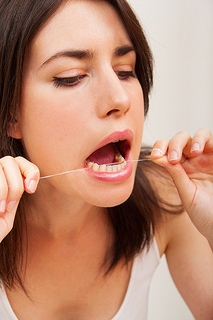
  4. Try flossing. Your toothache might be throbbing and severe, but there’s always a chance the pain is caused by a piece of food awkwardly lodged in your teeth.

We hope that helps! Give Oak Grove Dentistry a call to learn more!

Common Wisdom Teeth Problems

December 15th, 2021

Have you ever wondered why people have wisdom teeth? These are a third set of molars that come in behind the rest of all your other teeth, usually during early adulthood. Scientists and anthropologists believe that wisdom teeth are a result of evolution, because our ancestors needed these extra teeth to handle their primitive diets. Nowadays, the average diet consists of fewer hard-to-chew foods, which renders wisdom teeth largely superfluous.

Most people begin to experience wisdom teeth pain between the ages of 17 and 25. Our ancestors nicknamed them wisdom teeth because they appeared at a time in life when we supposedly grew wiser.

If you’ve already had your wisdom teeth removed, you know how painful they can become if they aren’t taken care of promptly. If not, watch out for discomfort in the back of your mouth and let our doctors know right away if you think your wisdom teeth are coming in.

In some cases, people do not experience any problems or discomfort with their wisdom teeth. These patients may keep their wisdom teeth intact if there’s enough room in their jaw to fit them properly. But this is generally not the case, so wisdom teeth can cause several concerns, depending on which direction they grow.

Common problems include:

  • Damage to surrounding teeth due to the pressure from the emerging teeth
  • Infection that causes the surrounding gums to swell and become painful
  • Tooth decay due to the lack of room to clean the teeth properly
  • Impaction (when the tooth is unable to break through the skin)
  • A cyst that may damage the jaw, the surrounding teeth, and nerves

If you haven’t had your wisdom teeth removed yet, there are many symptoms to watch out for when they begin to grow. Symptoms may include:

  • Pain or stiffness in the jaw
  • Tooth irritation
  • Swelling of gum tissue
  • Crowding of other teeth
  • Spread of tooth decay or gum disease on nearby teeth

If you’ve noticed these symptoms, schedule an appointment at our Green Bay office. Don’t forget: This is a common procedure that will take some time to recover from. Allow your mouth to heal, and then you’ll be able to get back to a normal routine quickly and be free from pain!

Adult Mouthguards

December 8th, 2021

You make sure your daughter wears her mouthguard to every soccer practice. Your son doesn’t step on the basketball court without his. Why not protect your smile as well?

Athletes of all ages in team or recreational sports can help prevent dental injuries with a protective mouthguard. If you bike or ski, play racquetball or squash, skate, or sky dive, a mouthguard will help keep your teeth and gums healthy as you keep fit.

Mouthguard Options

Our office will be happy to talk to you about whether a mouthguard is a practical addition to your workout gear. There are many options available to you, including:

Stock: Preformed appliances available at sporting goods stores and drugstores. These are the most affordable, but are a one-size-fits-all option and may not be a comfortable fit for you.

Boil-and-Bite: Also available at sports shops and drugstores. This guard is formed by placing it in hot water and then biting down to allow it to conform to the shape of your mouth.

Custom: Our Green Bay office can create a personalized mouthguard just for you. Individual mouthguards are the most durable and comfortable option, in general, and provide the best fit for ease of talking and breathing while exercising. You may also have special dental conditions, such as the placement of crowns or braces, which could be a factor in your decision.

Whichever option you choose, remember to wear your mouthguard regularly while exercising. A proper mouthguard cannot only help prevent injuries to your teeth, but to your face and jaw as well. A healthy smile and a healthy body are a winning combination. The next time you visit our doctors, let’s talk sports!